Tarquinia: Etruscan Tombs & Medieval Towers

Most tourists who go to the coastal areas of northern Lazio and southern Tuscany are there for the long sandy beaches because interesting towns are few and far between in this featureless mostly flat landscape. Tarquinia however is worth a visit; not as large as nearby Viterbo but similarly medieval in appearance, it has a rich history of Etruscan settlement and under its ancient name of Tarchuna was one of the most important cities of the Dodecapolis in the 6th century B.C.

Tarquinia was the birthplace of the Etruscan kings of Rome with Tarquin the Proud (Tarquinius Superbus) being the last one before an uprising led to the establishment of the Roman Republic after the Battle of Silva Arsia in 509 B.C.
William Shakespeare described the events leading to the downfall of Tarquin in his long poem ‘The Rape of Lucrece’. Despite being defeated by Rome, Etruscan culture and customs had a big impact on the development of the Roman Republic, including administrative structures and religious ceremonies. There were to be further periodic battles with Rome up until 90 B.C. when Tarquinia finally became a Roman municipality with Roman citizenship rights.

In Tarquinia today you can visit the National Archeological Museum, one of the principal Italian institutes for the study of Etruscan art and history. It contains Etruscan sarcophagi, ceramics and frescoes that were originally found at the nearby necropolis of Monterozzi where thousands of Etruscan tombs were discovered as long ago as the 19th century. Only a few of them are open to the public and some of these have frescoes, or mostly the fading outlines of frescoes, depicting banquets and hunting scenes that you can view through a protective glass screen.
New discoveries are still being made, including in 2022 when a new painted chamber was unearthed below a previously known burial site, with remarkably well preserved frescoes offering new insights into Etruscan art and culture.
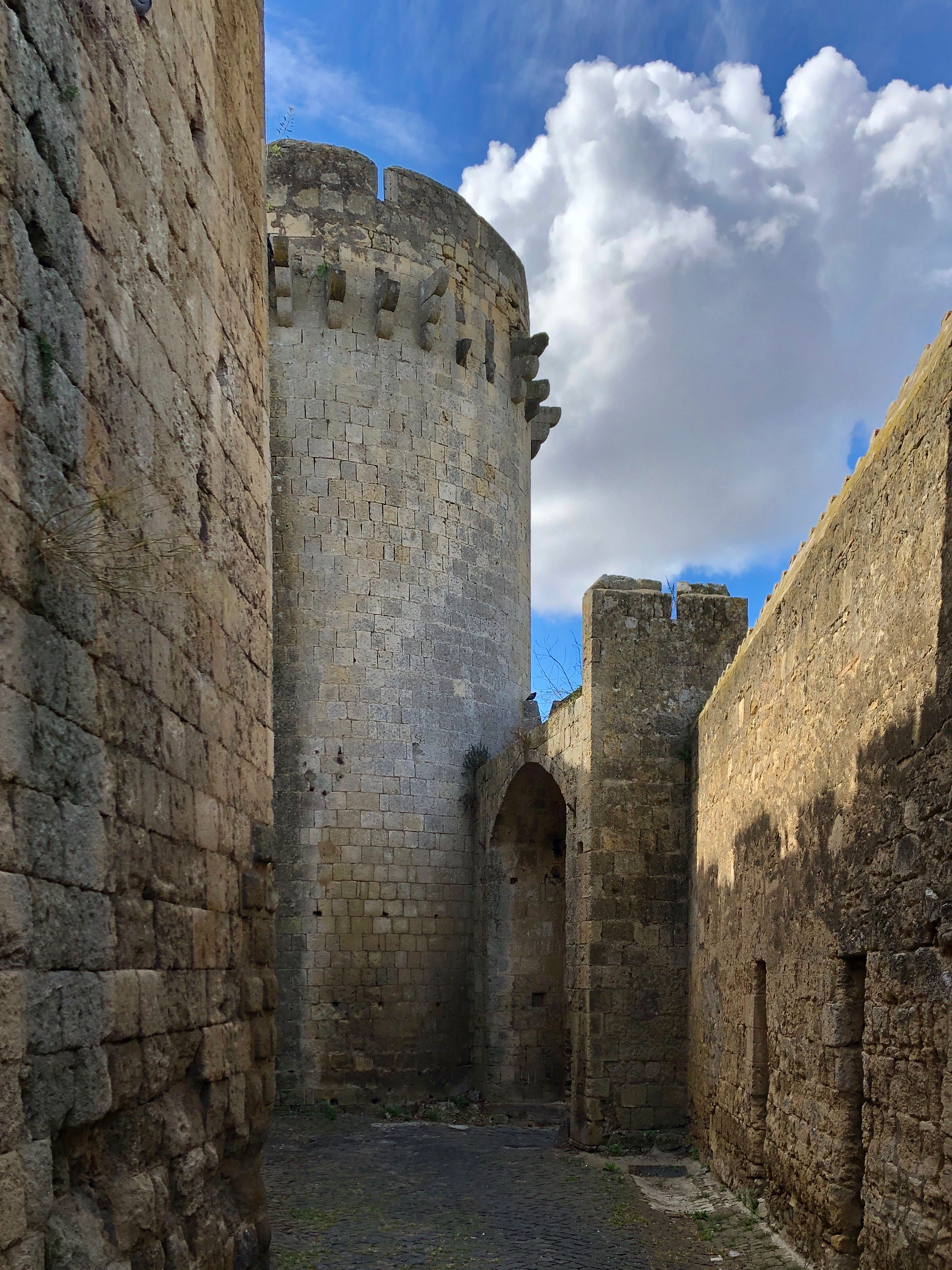


The Middle Ages were another period of prosperity and development for Tarquinia, whose name at that time was Corneto. It’s proximity to the sea and navigable rivers gave it trading opportunities with Pisa, Genoa and Venice and an advantage over inland Viterbo.
There are a surprising number of intact medieval towers in Tarquinia, constructed to demonstrate the prestige and power of wealthy aristocratic families but also serving as lookouts with sweeping views of the surrounding sea level countryside from the town’s 450 feet elevation. And while San Gimignano’s dramatic skyline is much more famous, the array of towers in Tarquinia is still quite impressive.
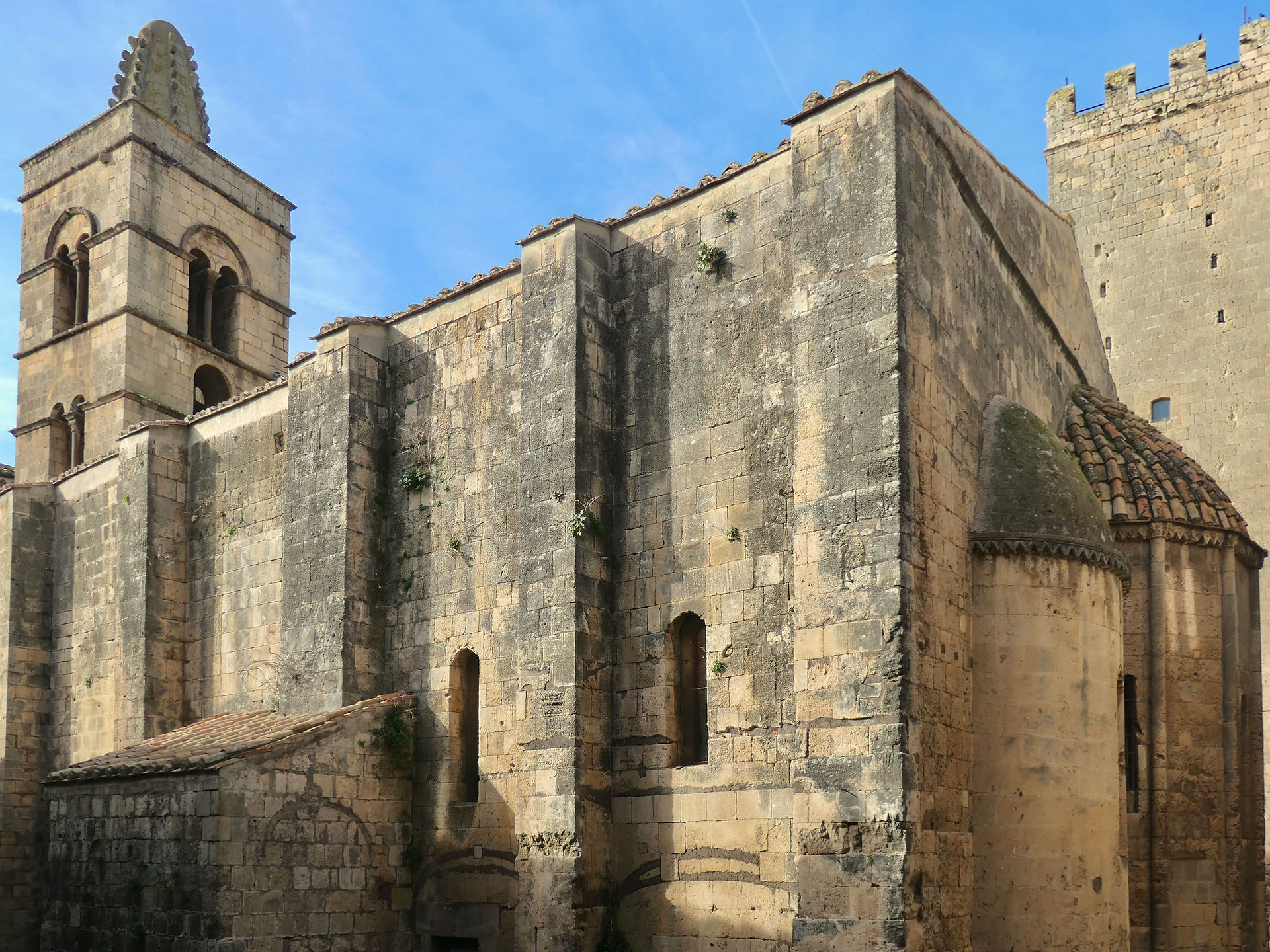

The survival of all these medieval buildings is due to the fact that successive centuries were not as kind to Tarquinia; it became embroiled in the conflicts between the Papacy and the Holy Roman Emperor and the preference for Viterbo as a residence by various Popes left Tarquinia increasingly isolated. The final blow at the height of the Renaissance period came in the form of two successive plagues that reduced the population of Tarquinia by two thirds, a disaster from which it never really recovered.


